Bobby Font: A Handwritten Sans Serif Typeface for Crafters and Small Shop Owners
As a maker who builds a business around handmade products, I know the struggle of finding a font that feels fresh yet functional. You want something that grabs attention on a crowded shop shelf or in an Etsy search feed, but you also need it to cut cleanly on a Cricut, print legibly on a tiny label, and scale beautifully across everything from a wedding sign to a product tag. Bobby delivers on all fronts. This handwritten sans serif font brings personality without sacrificing readability, and its subtle ripped edges give it an authentic, worn-in charm that customers love. Whether you are designing for your own shop or creating for clients, Bobby deserves a permanent spot in your design toolkit.
What Makes Bobby Stand Out in Modern Typography
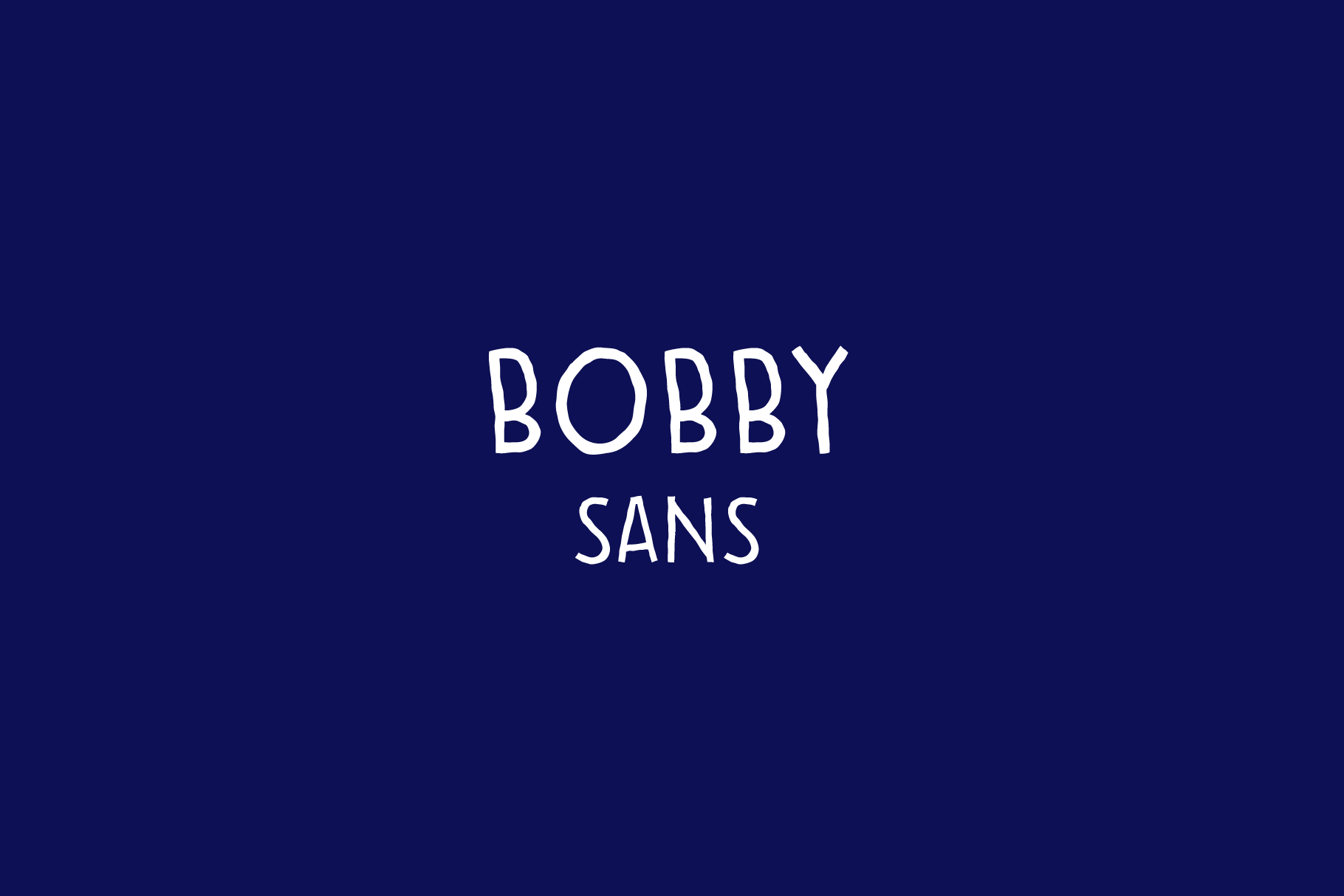
Bobby sits in that sweet spot between a casual handwritten style and a clean sans serif structure. It is not a fussy script font with dramatic loops, and it is not a rigid geometric sans that feels cold or corporate. Instead, Bobby feels like a marker drawing on kraft paper or a sign painted on reclaimed wood. The subtle ripped edges introduce texture and movement, giving each character a slightly imperfect edge that feels organic and intentional. This makes Bobby an excellent choice for any project where you want to convey warmth, approachability, and a handmade ethos.
The font works beautifully as a display typeface for logotypes, product names, and short headlines. Its open letterforms keep it readable at small sizes, which is a huge advantage when you are printing on candle labels or stamping onto fabric tags. Bobby carries a cool and hip vibe, but it never feels trendy in a way that will date your brand. It feels classic in its casualness, like a trusted go-to for everything from farmhouse signs to modern boho invitations.
Practical Craft Applications for Bobby
When you run a small creative business, every font you use needs to earn its place. Bobby earns its place across a wide range of physical products and digital designs. I have used it in my own shop for product labels, and it consistently gets compliments for being both fun and easy to read.
Labels, Tags, and Packaging
For handmade sellers, product presentation can make or break a sale. Bobby works exceptionally well on labels for candles, soaps, bath salts, and lotions. Its handwritten feel complements natural and organic branding, especially when paired with kraft paper or glass packaging. The ripped edges mimic the look of a handwritten price tag or a care label, adding perceived value without extra production cost. Use Bobby for your product name, a short ingredient note, or a heartfelt thank-you message on the back of a tag.
Invitations, Greeting Cards, and Wedding Stationery
If you design invitations or greeting cards, Bobby offers the charm of calligraphy without the complexity of a full script font. It works beautifully for names, dates, and short phrases on birthday invitations, bridal shower cards, and save-the-dates. Pair it with a simple serif font for body text, and you have a complete stationery set that feels cohesive and polished. For wedding welcome signs or seating charts, Bobby holds up at large display sizes while remaining friendly and unpretentious.
Wall Art and Printable Decor
Printable wall art remains a staple in the maker community, and Bobby is a natural fit for this category. Its relaxed personality suits motivational quotes, family name signs, and seasonal sayings. Because the letterforms are clean and not overly ornate, your customers can print them at home or at a local shop without losing quality. Bobby also works well in SVG-style layered designs for cutting machines, where clean inner paths make weeding easier and reduce frustration.
Merchandise and Apparel
When you move into printed merchandise like mugs, tote bags, shirts, and aprons, you need a font that holds up in single-color or foil applications. Bobby performs beautifully in these contexts. Its subtle texture adds visual interest to a simple one-line design, and the sans serif structure keeps the message clear. I have used Bobby for a line of farmhouse-style mugs, and the font readability at mug scale is excellent. Customers can read the phrase from across a booth, which matters when you are selling at markets.
Readability Considerations for Cutting Machines and Small Products
One of the first things I test with any new font is how it behaves in Cricut Design Space and Silhouette Studio. Some handwritten fonts have thin strokes that break apart or fail to cut cleanly. Bobby avoids this problem. The stroke weight is consistent enough to survive cutting at small sizes, and the open counters keep the letters distinct even when you shrink the design down to a 1-inch label.
When using Bobby for tiny stickers or product labels, I recommend keeping the font size above 12 points for maximum legibility. For larger display work, such as banners or signs, you can scale Bobby up significantly, and the ripped edges become a design feature rather than a limitation. If you are printing with a home inkjet or laser printer, test a sample at your intended size before committing to a full production run. Bobby performs well across most consumer printers, but the texture may vary slightly depending on paper quality.
Font Pairing Ideas for a Cohesive Brand Identity
Pairing Bobby with the right secondary typeface can elevate your entire brand identity. Because Bobby feels handwritten and slightly textured, it pairs best with clean, neutral fonts that let it take center stage.
- Bobby paired with a clean serif font such as a classic Georgia or a modern slab serif creates contrast and sophistication. Use the serif for body text or longer descriptions, and reserve Bobby for headings, product names, and decorative elements.
- Pair Bobby with a simple sans serif font like Open Sans, Lato, or Montserrat for a balanced look. This combination works especially well on packaging and websites, where you need both warmth and professionalism. The sans serif handles the details while Bobby adds the personality.
- For a bolder creative direction, use Bobby alongside a slightly edgy script font or a condensed display face. This works for limited-edition products, seasonal collections, or social media graphics where you want to stand out. Just be careful not to compete with Bobby too much, let it remain the anchor.
Testing is key. I always create a few mockups before settling on a pair. A quick side-by-side comparison in Canva or Adobe Express can show you whether the combination feels harmonious or chaotic.
Understanding Bobby’s Included Features and File Formats
Before purchasing any commercial font, I always verify what is included in the file package. Bobby typically comes with multiple font weights or styles, and checking for alternates, ligatures, and swashes can expand your design options significantly. Some versions of Bobby include stylistic alternates that give you variations on certain letters, which is invaluable when you want to avoid repetition in a logotype or a phrase.
Make sure you are getting the file formats you need for your workflow. Most font sellers provide OTF and TTF formats, both of which work well on Windows and Mac systems. TTF is generally preferred for cutting machine software, while OTF offers more advanced typographic features like ligatures and stylistic sets. If you plan to use Bobby for web design or social media graphics, check whether the font includes a web version or has licensing for embedding in digital products like PDF templates.
For multilingual businesses, confirming language support is essential. Bobby covers a standard Western character set in most versions, but if you need accented characters or Cyrillic support, verify before purchasing. This is especially important if you sell to international customers or create products for different language markets.
Commercial Licensing and Selling Your Products
Licensing can be the most confusing part of using fonts in a product-based business. Bobby is a premium font, and like most commercial typefaces, it comes with specific licensing terms. When you buy a commercial license for Bobby, you typically gain the right to use the font in physical products for sale, including labels, tags, packaging, mugs, shirts, and printed stationery. Many licenses also cover digital products such as printable templates, SVG designs, and PDF planners, as long as the end user cannot extract the font file itself.
If you create client work, such as designing logos or invites for other businesses, you may need an extended license or a license that covers commercial use on behalf of clients. Always read the fine print on the font marketplace where you purchase Bobby. Some licenses limit the number of products sold or the number of employees who can use the font. When in doubt, reach out to the font designer directly for clarification. A small investment in the right license protects your business and ensures you can continue using Bobby across all your projects without worry.
Where Bobby Shines Most in Your Product Line
After testing Bobby across a wide range of projects, I find it works best in applications where personality matters. Candle labels, boutique clothing tags, farmers market signs, wedding welcome boards, and children’s party invitations all benefit from Bobby’s approachable style. It also performs beautifully in seasonal craft designs, such as Christmas gift tags, Halloween treat bag toppers, and Easter signs. Because the font reads as both modern and nostalgic, it appeals to a broad customer base, from young brides to gift shop owners looking for something fresh.
If you produce digital downloads, consider using Bobby for editable invitation templates, wedding signage suites, and printable wall art sets. Customers who purchase these designs expect a font that is both attractive and easy to customize. Bobby delivers on that expectation, and its readability in preview thumbnails can help your listings stand out in search results.
Bobby is more than just a pretty typeface. It is a practical, versatile, and genuinely useful font for anyone who creates with their hands. Whether you are cutting vinyl, printing stickers, or designing a full product line, Bobby brings the charm without the headache.